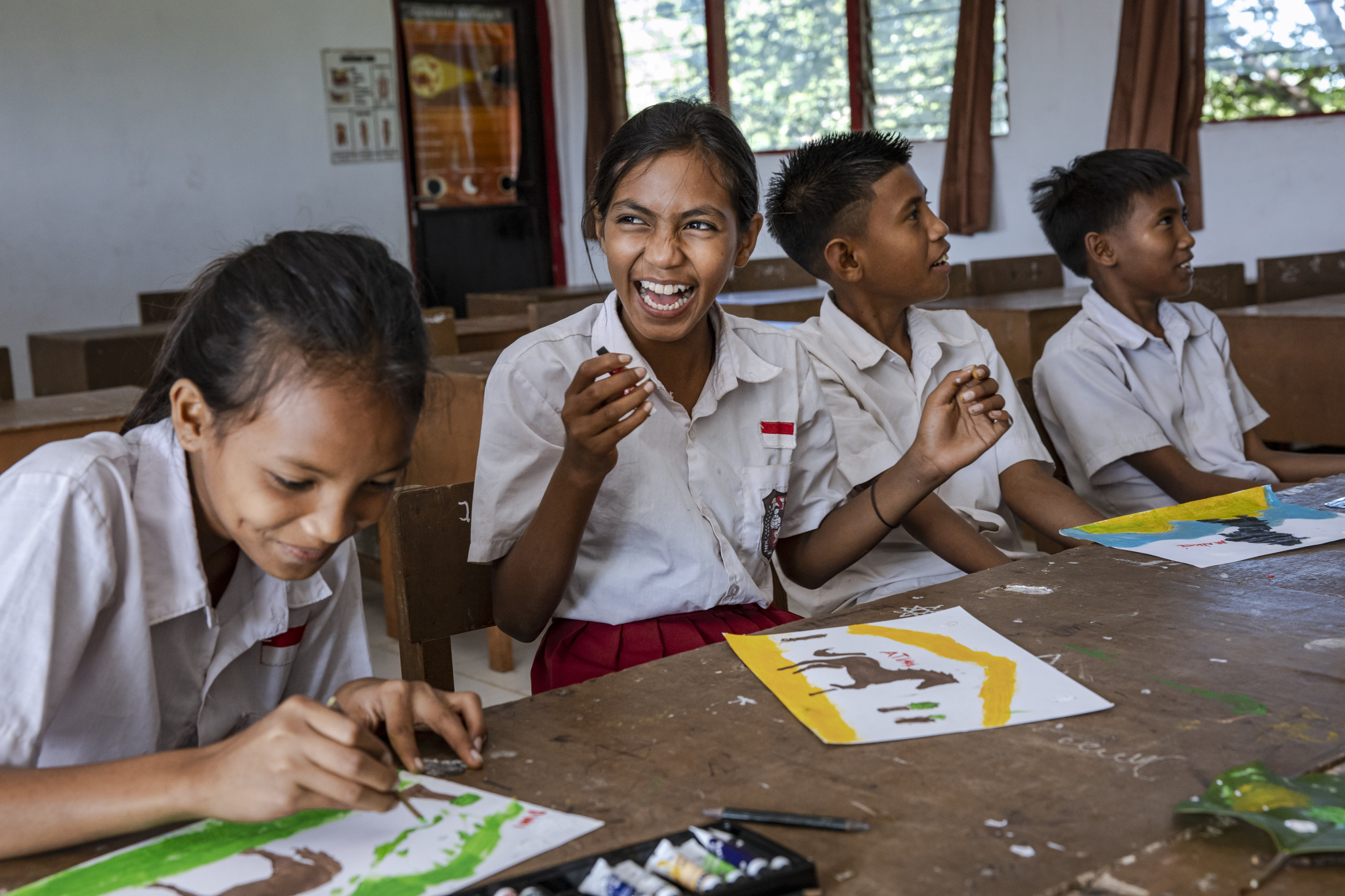
Key Takeaways from how Countries Include Education, Children and Youth in their NAP Processes

Young people are “full players in the fight against climate change, and the decision-makers of tomorrow.” As noted in the Central African Republic’s national adaptation plan (NAP), there is no doubt that children and young people – who make up over 70% of the population in sub-Saharan Africa – have the potential to be agents of change in driving climate change adaptation. To foster this, the United Nations Framework Convention on Climate Change and global organisations such as the Global Partnership for Education and Save the Children emphasise one critical enabler: education.
Education is relevant, as 1 billion children live in countries that are extremely vulnerable to the impacts of climate change. Not only are children more vulnerable due to their physiological and developmental stages, but climate hazards also disrupt critical services that children rely on to survive and thrive, such as education.
As climate risks worsen, children’s education is disrupted both directly and indirectly by climate change. Direct impacts, such as flooding, fires, and cyclones, disrupt access routes to schools, destroy classrooms, and prevent children, especially girls and children with disabilities, from accessing a quality education. Indirect impacts increase the risk of malnutrition, disrupt livelihoods, and increase the risk of child marriage and child labour, all of which keep children out of school.
Despite these disruptions, education is critical for building the adaptive capacity of current and future generations – a key aim of the NAP process. At the same time, the NAP process offers a strategic opportunity to embed the education sector within broader adaptation and development planning and budgeting, with multiple ensuing benefits.
To mark the International Day of Education and the power of youth in co-creating education, this article outlines what we can learn from countries that are already including children, youth, and education in their NAP processes.
Read the full article here.
By Jennifer Merryweather, Education Specialist, NAP Global Network & Save the Children.
Comments
There is no contentYou must be logged in to reply.